A Friday fish fry sounds easy until the first batch goes soft while you're still cooking the second. Good fried fish needs a crisp coating, a moist center and a plan for getting it to the table. The weekly tradition has a history, too: Catholic meatless Fridays helped make fish a regular meal, while regional gatherings turned it into something people enjoy well beyond Lent.
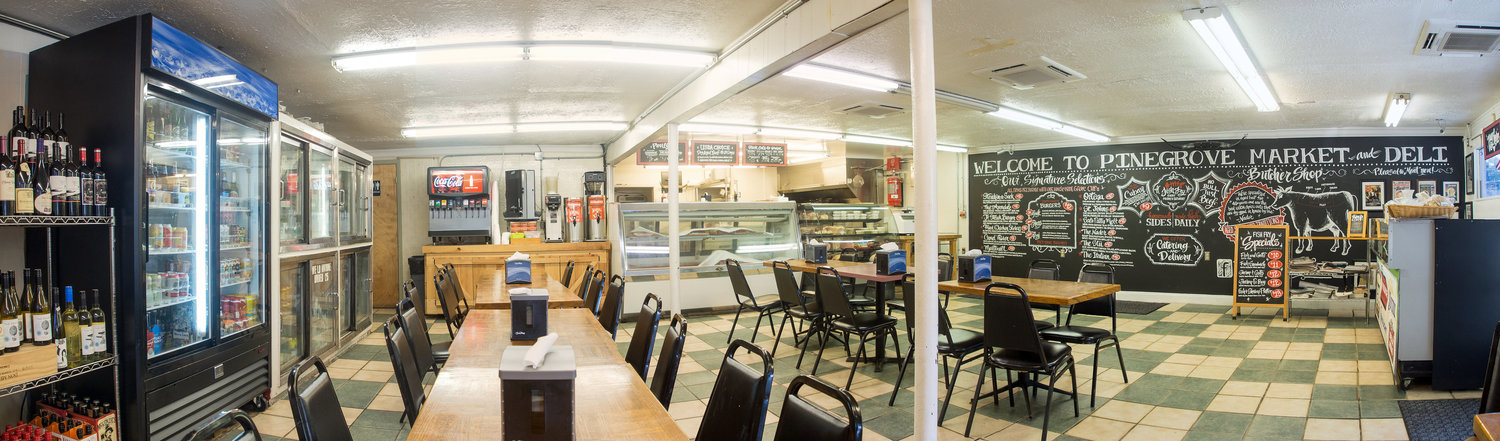
For a Jacksonville evening when you don't want a pot of hot oil on the stove, Pinegrove Market & Deli is a family-owned deli and butcher shop in Avondale. The shop has a Fish Fry every Friday and Saturday. Its deli and Fish Fry menu is a useful starting point; a call to (904) 389-8655 can confirm the current offering.
Why does the Friday fish fry fall on Friday?
A Friday dinner invitation can raise questions about the menu. Say you're hosting during Lent and a guest mentions that they aren't eating meat. Understanding the custom helps you plan without assuming everyone follows the same rules.
Wikipedia's article on Catholic fasting and abstinence (2026) connects Friday penance with remembrance of Jesus's crucifixion. Abstinence means avoiding meat; fasting limits how much you eat. Fish is permitted under the Latin Catholic abstinence rules described in the article, which made it a practical alternative to a meat dinner.
For the United States, the article lists Fridays during Lent as obligatory days of abstinence for Latin Catholics aged 14 and older, with applicable exemptions. Outside Lent, U.S. norms permit other forms of Friday penance in place of meat abstinence. That distinction explains why a Lenten fish fry has a religious connection without making every Friday fish meal a religious observance.
For your gathering, asking guests about their food restrictions is more useful than guessing. A fish main course doesn't answer questions about allergies or meat in the side dishes.
Wisconsin and Southern traditions suggest different menus
Two hosts can promise a fish fry and serve quite different plates. A guest expecting rye bread and potato pancakes might find hushpuppies instead. Neither menu needs correcting; regional habits give you options.
Wikipedia's fish fry article (2026) describes Wisconsin's Friday meal as a year-round tradition enjoyed across religious backgrounds. It connects the custom with German and Polish Catholic settlement and the state's supply of lake fish. Beer-battered fish commonly comes with coleslaw, rye bread and fries or German-style potato pancakes.
The same article describes a southern fish fry as a family or social gathering, often outdoors or in a large hall, with cornmeal-based coatings, hushpuppies and coleslaw. Potluck side dishes are common.
For a home cook, the useful choice is how much last-minute frying your menu needs. Coleslaw and bread let you concentrate on the fish. Hushpuppies add another frying job, so they make more sense when a second cook can help.
Which fish works well for frying?
Uneven fillets make cooking awkward. Say one piece of cod has a thick center while the next is mostly thin tail: the coating may look ready on both while the centers cook at different speeds.
For a first home fish fry, mild fillets such as cod or catfish are manageable choices. Cod gives you large flakes and a relatively thick portion; catfish suits a cornmeal coating. Thin fish can work, but it leaves you less time between cooked and dry. Similar thickness matters more than matching every piece's length.
Frozen fillets are workable if they're fully thawed and dried before coating. Surface water can loosen the coating and cause hot oil to spit. Your choice here is for home cooking, not a description of what Pinegrove serves.
The FDA's seafood handling guidance (2024) recommends storing fish at 40°F or below if you'll use it within 2 days of purchase; otherwise, freezing it is the safer plan. Refrigerator thawing overnight gives you ready-to-prep fish without leaving it on the counter.
Batter or breading: choose the crust you want
A thick coating can overwhelm a small fillet. Picture a thin piece of fish under a heavy shell of batter: you taste the crust first, and the fish can dry out before that shell finishes cooking.
Batter is a wet mixture, usually based on flour and liquid, that coats the fish before frying. It can produce a puffier crust. Breading uses a dry coating, such as seasoned flour, cornmeal or breadcrumbs, sometimes over an egg or milk layer that helps it stick.
For a small home gathering, a light cornmeal-and-flour breading is a practical starting choice. It gives you crunch without a large shell, and you can coat portions as each batch approaches the fryer. Excess dry coating is best shaken off because loose particles burn in the oil.
A batter should leave a thin, even layer after the extra drips away. If it's piling up, the coating is too heavy for that piece. A test portion tells you more than committing the whole tray at once. But either style can turn soft if finished fish is stacked and covered.
Oil temperature matters more than the clock
The second batch often disappoints because the oil hasn't recovered. Adding a crowded basket of cold fish drops the temperature; turning the burner up sharply can then overshoot once that batch comes out.
Wikipedia's deep frying article (2026) gives a typical frying range of 350–375°F, while noting that the right temperature depends on the food's thickness and type. For ordinary breaded fillets, 350°F is a useful starting target. A frying thermometer measures the oil rather than leaving you to judge its appearance.
Small batches leave room between pieces and make temperature recovery easier. Before the next batch, the oil should return to your chosen target. A refined neutral oil sold for frying, such as canola, keeps its flavor from competing with the fish.
The oil temperature doesn't tell you whether the center is safe. The FDA's 2024 seafood guidance recommends 145°F internally for most seafood. A food thermometer inserted into the thickest part gives you a better answer than crust color or a fixed minute count.
Once cooked, fish drains well on a wire rack over a tray. Air can move underneath, so steam doesn't collect against the crust. A dry, stable frying setup also matters: hot oil needs constant attention, and water must never be used on an oil fire.
How much fish do you need for a group?
Buying enough fish won't solve a slow serving line. Say you're feeding 12 adults in a Riverside kitchen with one fryer: a generous purchase still arrives in batches, not all at once.
With substantial sides, 6–8 ounces of raw boneless fish per adult is a practical planning allowance, not a nutritional serving standard. Appetite and other main dishes change the amount. At the upper end, the working is 12 guests × 8 oz = 96 oz; 96 ÷ 16 = 6 lb of raw boneless fish. Whole fish needs a separate allowance because bones and trimming reduce what you serve.
Your prep can happen before guests arrive: portions stay refrigerated, cold sides are finished, and clean serving trays sit apart from raw-fish equipment. One person frying while another handles plates keeps the cook from switching between hot oil and the buffet.
Sides don't all need to be homemade. Pinegrove's catering menu for sides and trays lists coleslaw and potato salad; a phone call can confirm options and quantities. That leaves your cooking space available for the food that needs it most.
Fish fry questions before dinner
Can you fry the fish ahead of time?
If guests arrive late, covering a finished platter traps steam and softens the crust. Preparing the fish and sides ahead, then frying close to serving, gives you a better result. For groups, successive fresh batches usually beat a long-held pile.
How long can fried fish sit out?
A platter on a Jacksonville patio can become a safety problem before it looks spoiled. The FDA's 2024 guidance limits unrefrigerated seafood to 2 hours, or 1 hour above 90°F. Serving smaller platters helps you track time; a warm afternoon isn't a reason to extend it.
Fresh batches make the better Friday dinner
A full tray can look convenient while its bottom layer loses crunch. The best Friday fish fry plan gives each batch a short trip from the oil to the plate, with the sides already waiting. If home frying doesn't fit your evening, Pinegrove's Friday and Saturday Fish Fry offers another route. The Avondale location and hours page helps you plan a visit after a “fish fry near me” search.