
A puddle under your salad can turn a good pita lunch into a soggy one. This tabouli recipe keeps parsley in charge, uses a small amount of fine bulgur, and manages moisture before the dressing goes in. You don't need complicated equipment. It's mostly a matter of drying the herbs, draining the tomatoes, and knowing when to combine everything.
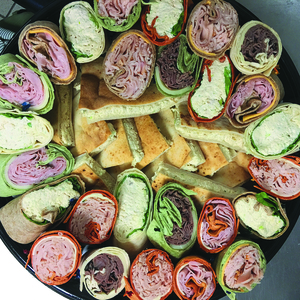
Pinegrove Market is a family-owned deli and butcher shop in Avondale, Jacksonville, where homemade tabouli appears in pressed-pita sandwiches. The deli sandwich menu includes The Avondale with USDA roast beef and provolone, and Jimmy's Hot Press with smoked turkey and baby Swiss. Those combinations show how tabouli can serve as a sandwich filling as well as a side. The method below is a general home recipe; it isn't the shop's recipe.
Tabouli vs tabbouleh: are they different salads?
Two spellings on a shopping list can make you think you're buying ingredients for two different dishes. In a tabouli vs tabbouleh comparison, the name doesn't establish a different recipe: both are English spellings of the same salad.
Wikipedia's article on tabbouleh, accessed in 2026, describes it as Levantine and traces its origin to the mountains of Lebanon and Syria. It lists both spellings and notes that Syrian and Lebanese versions use more parsley than bulgur. Recipes vary, but that parsley-forward balance is the approach here. You should see green leaves throughout the bowl, with small grains between them.
A parsley-forward tabouli recipe for 4 to 6
A salad that looks mostly beige usually has more grain than this version needs. For example, a large scoop of cooked bulgur with a little parsley scattered over it will eat like a grain salad. Here, the grain supports the herbs rather than filling the bowl.
If you're learning how to make tabouli, measured chopped parsley is more reliable than a bunch count. Bunch sizes vary, and thick stems don't belong in that measurement.
For 4 to 6 side servings, you'll need:
- 4 cups finely chopped parsley leaves and tender upper stems, measured without packing
- 1/4 cup dry fine bulgur, often labeled number 1
- 1/4 cup finely chopped mint leaves
- 1 cup finely diced ripe tomatoes
- 2 scallions, thinly sliced
- 3 tablespoons fresh lemon juice, plus more to taste
- 3 tablespoons extra-virgin olive oil
- 1/2 teaspoon fine salt, divided, plus more to taste
- Hot water for soaking the bulgur
Flat-leaf parsley is easy to gather and chop, but curly parsley works too. Mint adds a different herbal note; the modest amount keeps it from taking over. The following steps run alongside one another, so the herbs can dry while the bulgur soaks and the tomatoes drain.
Fine bulgur should be tender before mixing
Hard grains are distracting in a soft herb salad. If your first spoonful crunches like dry wheat, the bulgur hasn't hydrated enough; extra olive oil won't fix it.
Wikipedia's bulgur article, accessed in 2026, explains that bulgur is wheat that has been parboiled, dried, and cracked. That earlier cooking is why it can be prepared by soaking. Fine grains suit this salad because they distribute through the chopped parsley without making each bite grain-heavy.
For this small batch, the 1/4 cup bulgur goes into a heatproof bowl with 1/2 cup hot water. Covered, it can stand for about 15 minutes before you check a few grains. They're ready when tender, with no hard center. More soaking time may be needed; package directions take precedence if they specify another method.
A fine-mesh strainer catches the grains while excess water drains. Gentle pressure with a spoon removes trapped water without crushing them. The bulgur should cool before meeting the herbs, since warm grain can wilt the leaves.
Dry parsley makes a cleaner chop
Wet parsley sticks to the knife and leaves green liquid on the board. Say you've rinsed a bunch right before assembling lunch: chopping it immediately carries that rinse water into the finished salad.
The FDA's produce-handling guidance, updated in 2024, recommends washing produce under running water and drying it with a clean cloth or paper towel. It advises against soap or detergent on produce. Washing reduces bacteria but doesn't eliminate them, so the board and knife also need to be clean and separate from equipment used for raw meat.
A salad spinner followed by a clean towel works well for parsley and mint. The leaves should feel dry before chopping. You can discard thick lower stems, gather small handfuls, and slice finely with a sharp knife. Repeated chopping in a food processor can turn the herbs into a wet paste; distinct little pieces give the salad a better texture.
Salt and drain tomatoes before they enter the bowl
Even carefully dried herbs can't compensate for very juicy tomatoes. A ripe tomato diced straight into the salad may release enough liquid to dilute the lemon dressing.
The diced tomatoes go into a strainer over a bowl with 1/4 teaspoon of the salt. After 10 to 15 minutes, a gentle stir helps the released liquid drain away. Salt draws moisture out before that moisture reaches the parsley. The tomatoes don't need to be squeezed dry, which would sacrifice their texture.
Fleshy tomatoes make this easier. With especially watery ones, removing some loose seed gel before dicing reduces the liquid you need to drain. You don't have to remove every seed. The drained tomatoes stay in a separate covered container if you're assembling the salad later.
Dressing belongs near serving time
A salad mixed before breakfast for a late lunch has more time to soften than one dressed just before eating. Lemon and salt encourage the chopped vegetables to release moisture, so early dressing works against a dry sandwich filling.
About 10 to 15 minutes before serving, the cooled bulgur, parsley, mint, scallions, and drained tomatoes can go into a large bowl. The lemon juice, olive oil, and remaining 1/4 teaspoon salt are whisked together separately, then folded through the salad. Gentle mixing coats the leaves without crushing them.
This tabouli recipe starts with equal amounts of lemon juice and oil. It's a starting balance, not a rule for every lemon. After the short rest, you'll have a better sense of the seasoning. A little more lemon helps a dull-tasting batch; a small splash of oil softens one that's too sharp. More salt belongs after tasting because the tomatoes were already salted.
How long does homemade tabouli keep?
Yesterday's tabouli may still be useful, but its herbs won't have the same texture as a freshly mixed bowl. That matters if you're packing sandwiches for tomorrow's office lunch rather than serving a salad tonight.
For this method, the best texture is on the day it's dressed. Using refrigerated leftovers within 2 days is a quality target. For next-day preparation, separate covered containers for the dry herbs, drained tomatoes, hydrated bulgur, and dressing help limit softening. Everything stays refrigerated until assembly.
The USDA Food Safety and Inspection Service's leftover guidance, updated in 2020, gives a general refrigerated storage window of 3 to 4 days and says cold perishable food should stay at 40°F or below. That's general handling guidance, not a tested shelf life for this particular recipe. Lemon juice doesn't replace refrigeration.
USDA says to discard perishable food left out for more than 2 hours, or 1 hour when the temperature is above 90°F. Say you're serving tabouli on a Jacksonville porch in August: a small bowl nested in ice is safer than leaving the whole batch on the table. For packed lunches, the office lunch catering guide can help with the broader serving plan.
Questions about ingredients and texture
A guest avoiding wheat or an extra cucumber in your crisper can change your ingredient list. The choice depends on dietary needs and how much moisture the substitute brings.
Is tabouli gluten-free?
A wheat-free guest can't eat the bulgur in this version. Bulgur is wheat, so this recipe isn't gluten-free. Cooked, cooled quinoa can replace it for a variation, though the texture will differ. For someone with celiac disease, ingredient labels and protection from cross-contact matter as much as the grain substitution.
Can you add cucumber?
A cucumber-heavy bowl can release extra water, especially after salting. You can add a little finely diced cucumber if you enjoy it, but removing the watery seed center and draining it helps preserve the texture. The recipe leaves cucumber out so parsley remains the main ingredient and there's less moisture to manage.
A dry spoonful makes a better pita filling
Even a well-made salad can wet the bread if you scoop liquid from the bottom of its container into a pita. A useful tabouli recipe should work at lunchtime, not just in the mixing bowl.
For a home sandwich, a slotted spoon lets excess dressing stay behind. Tabouli pairs well with roast beef or turkey because its lemon and herbs contrast with the richer filling. Alongside hummus with pita, it also makes a practical meatless lunch. A modest spoonful leaves room for the other ingredients and keeps the bread from carrying more liquid than it can hold.